Your head after a separation. What's normal, and what helps.
Nobody warns you how physical it gets. The chest-tightness. The 3am wake-ups. The food that won't go down, or won't stop. The flat grey that follows you to work. If that's where you are, read this slowly: what you're feeling is common, it's serious, and it gets better — and there are concrete things you can do today, plus exactly where to get help in Australia.
If you read nothing else on this page, take these three.
What you're feeling is normal. Grief over a marriage is real grief. The spiral, the anger, the numbness — that's a healthy man reacting to a genuine loss, not a broken one. You're not going mad.
The risk is real, and reaching out is the strong move. Separated men in Australia are nearly five times more likely to take their own life than married men. Knowing that isn't meant to scare you — it's so you take your own head seriously and ask for help early, not at rock bottom.
The basics are medicine. Sleep, movement, food, sunlight, less grog. They sound too simple to matter. Right now they're the most powerful levers you have. Pull them daily.
Why it hits hard
Why separation wrecks men, specifically.
It's not weakness and it's not just you. A few things stack up for men in particular:
The identity hit. A lot of men quietly built their sense of self around the family and the provider role. When that goes, it's not just a relationship ending — it can feel like the floor of who you are dropping out.
The isolation. Men's friendships are often built around activity, not talk. When you most need to be heard, the muscle for asking is the one you've used least.
The legal grind. Drawn-out negotiations and uncertainty about the kids keep the stress switched on for months. Of separated men who were still struggling six months on, the large majority pointed to the stress of legal negotiations as a driver.
The hard numbers back it up: intimate-partner problems including separation feature in the lead-up to roughly one in three suicides among Australian men aged 25–44. This is a known, dangerous window — which is exactly why it's worth taking seriously and not toughing out alone.
What helps
Things you can start today.
None of these are a cure. All of them move the needle, and they compound:
Move your body every day. A walk, a run, the gym, anything. Exercise is one of the most reliable antidepressants we have, and it burns off the cortisol that fuels the 3am spiral.
Protect your sleep like it's the job. Same bedtime, screens off, no caffeine after lunch. You cannot think or feel straight on broken sleep.
Go easy on the grog. Alcohol is a depressant and it shreds sleep. The few quiet beers that take the edge off tonight make tomorrow's 3am worse. You don't have to be a monk — just don't make it the coping plan.
Build a skeleton of routine. When everything's chaos, structure is calming. Set times to eat, move, work, sleep. Let the routine carry you on the days motivation won't.
Get outside, get sunlight. Morning light, fresh air, somewhere green. Cheap, fast, genuinely helps.
Have one real conversation. Not a status update — an honest one. With a mate, a brother, a counsellor. Saying it out loud takes the pressure off the inside of your skull.
Getting real support
When to get help — and how, in Australia.
If the low mood has hung around for more than a couple of weeks, if you're not functioning, or if you're having thoughts of not being here — that's the point to bring in support. Two paths, and you can use both:
See your GP and ask for a Mental Health Treatment Plan. This is a Medicare-subsidised plan that gives you access to sessions with a psychologist at little or no cost. It's a 20-minute conversation with your doctor. Say the words: "I've separated and I'm not coping — can we do a mental health plan?" They do this every day.
Call a helpline — free, anonymous, any hour. You don't need to be in crisis to call. They're for exactly this.
If you're thinking about ending your life, or you might act on it — call 000 now, or Lifeline 13 11 14. You are not a burden, this feeling is not permanent, and there are people whose whole job is to sit with you through it. Make the call.
Don't do it alone
Your mates, and your kids.
The instinct to handle it solo is the one to fight. You don't need a support group — you need one text to one bloke: "Going through a rough one. Could use a beer this week." Most men who've been through it will drop everything, because they remember needing someone to send it to.
Five short guides for getting through it: when it first happens, the middle stage, the rebuild, what not to do, and what your kids need. One email, no pitch.
You're in. The first guide is on its way from Alex at BetterDads. (Check spam if it's not there in a minute.)
No spam. Unsubscribe any time. Written by a man who's been through it.
Keep going
One steady day at a time.
Rebuild is a 28-day program for men coming through separation — twenty to thirty minutes a day, built around the basics that actually hold you up.
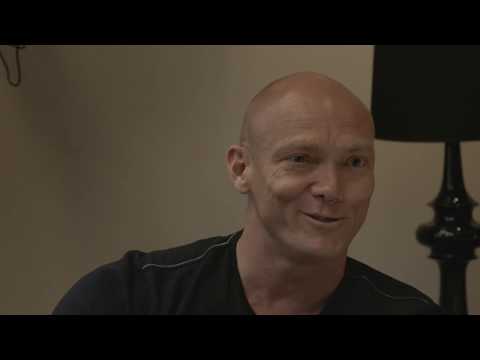 Michael KlimOn divorce as a father
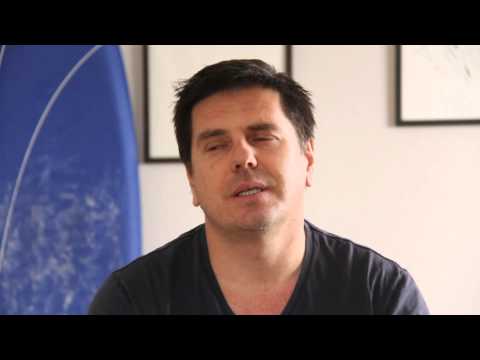 Sam de BritoOn being left without support · in memoriam
 Dean CrozierOn family court orders
 Jesse FinkOn the initial break-up
 Luke ElvyOn divorce
 Tom CarrollOn being the single guy